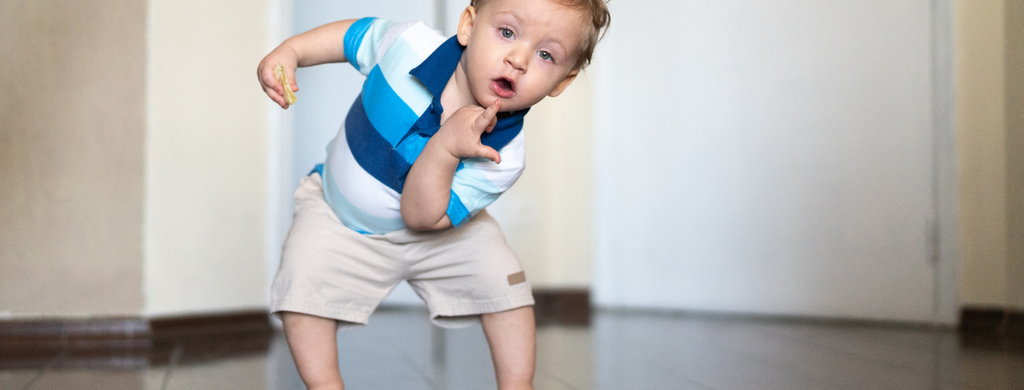
Dance as a Powerful Tool in Child Development
Dance is a universal art form that transcends cultural and linguistic barriers. In addition to being an artistic expression, it plays a vital role in children’s development, providing a range of physical, cognitive and emotional benefits. In this article, we will explore how dance, specifically ballet, can be incredibly beneficial for children’s growth and well-being.
Exploring the Potential of Dance in Child Development
According to Robinson, dance is a highly significant power, as it is a symbolic language that involves all the faculties of the human being, stimulating both cognitive and emotional capacities. When dancing, the body becomes active, facilitating the communication of thoughts and emotions ( Psicologia.pt ).
From the earliest years of life, children express themselves freely through spontaneous movements. Continuous exploration of the body through dance can have a long-term positive impact on psychomotor development, contributing to the increase in cognitive development, creativity and self-expression ( University of Porto ).
Childhood Ballet: A Journey of Discovery and Growth
When to Start? Ballet for children is divided into two main categories, depending on age: baby ballet , for children ages 3 to 5, and primary ballet , for children ages 6 to 7. While baby ballet classes focus on creativity and socialization, primary ballet classes emphasize movement sequences to develop motor coordination and body posture.
Benefits of Ballet in Childhood
-
Flexibility and Muscle Strength: Ballet promotes correct posture, develops body awareness and improves flexibility and muscle strength from an early age.
-
Socialization: Taking dance classes helps children learn to work in groups, communicate better and respect others, as well as foster lasting friendships.
-
Focus and Concentration: Ballet requires discipline and focus, helping children develop concentration skills that can be applied to other areas of life.
-
Emotional Development and Self-Esteem: Dance increases children's confidence, allowing them to develop social skills and overcome shyness, contributing to increased self-esteem.
Dance classes offer a variety of benefits for children’s development, from physical to emotional, which can positively influence many areas of a child’s life. Therefore, considering dance, especially ballet, as part of children’s development can be a valuable choice to promote their growth and well-being.
Source: