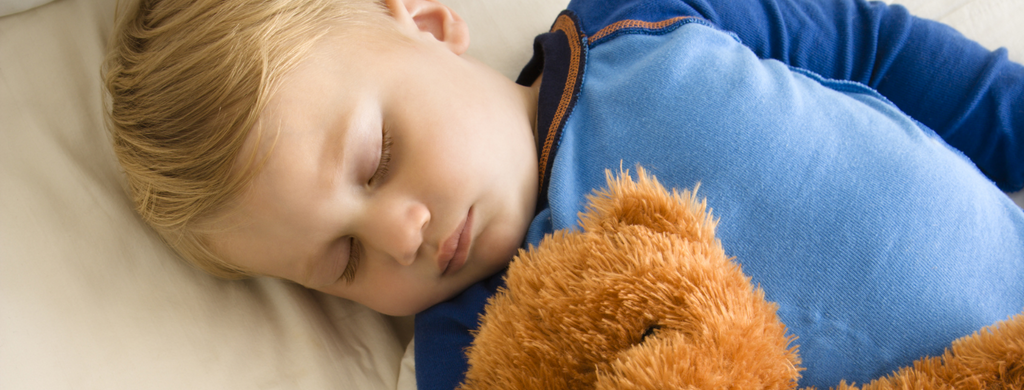
On March 15th, we celebrate World Sleep Day, a date that invites us to reflect on the importance of rest for health and well-being, especially for children.
Sleep: Definition, Function and Importance
Sleep is a natural physiological process that is essential for the healthy physical, mental and intellectual development of children. During sleep, there is a decrease in the state of consciousness, physical motor activity and metabolism, but the body maintains essential activity. There are two distinct phases of sleep: non-REM sleep, which is longer and occurs initially, and REM sleep, characterized by the occurrence of dreams and the consolidation of memory.
The function of sleep goes beyond simple physical rest. During this period, the body carries out important restorative processes, such as replenishing energy and regulating metabolism, including the release of growth hormone, which are essential for the health of the body and mind. In addition, sleep is directly associated with the consolidation of memories and learning, mood, inflammation control, and endocrine-metabolic and cardiovascular regulation.
Relationship between Lack of Sleep and Obesity
Studies have shown a clear link between poor sleep and weight gain in children. When we don't get enough sleep or our sleep is of poor quality, our cells are unable to recover energy properly. This leads the brain to seek this energy through food intake, especially foods rich in fat and carbohydrates, such as sugar, to meet this energy need. In addition, the lack of energy resulting from sleep deprivation reduces motivation to exercise, leading to an imbalance between calorie intake and energy expenditure, which can contribute to weight gain and, consequently, childhood obesity.
Adequate Amount of Sleep According to Age
It is essential that children get an adequate amount of sleep to ensure healthy development. According to the Portuguese Sleep Association , sleep recommendations vary according to age group:
- 0-3 months: 14 to 17 hours
- 4-11 months: 12 to 15 hours
- 1-2 years: 11 to 14 hours
- 3-5 years: 10 to 13 hours
- 6-13 years: 9 to 11 hours
- 14-17 years: 8 to 10 hours
It is important to follow these recommendations and adapt the sleep routine according to the individual needs of each child.
Strategies for Establishing Healthy Sleep Routines
To promote quality sleep in children, it is essential to establish consistent routines that are conducive to rest. Some helpful strategies include:
- Reduce stimuli before bed and maintain a calm environment;
- Avoid stimulating or playing at night, especially during diaper changes or breastfeeding;
- Put your child to bed when he or she is drowsy but not completely asleep, so that he or she learns to fall asleep in his or her own space;
- Encourage activities and play during the day to increase wake time and promote deeper sleep at night;
- Wait a few minutes before responding to your child's calls during the night, checking for any discomfort without encouraging further awakenings.
Investing in promoting healthy sleep from an early age is essential for children’s physical, mental and emotional well-being. In addition to understanding the importance of sleep and the consequences of sleep deprivation, it is essential to take steps to ensure an environment conducive to rest and establish routines that promote quality sleep. By prioritizing children’s sleep, we are investing in their growth, development and long-term health.
References:
- Lusíadas; Dr. Sandra Marques, specialist in internal medicine and sleep medicine at the Lusíadas Almada Clinic.
- SNS24 (Portuguese National Health Service).
- Portuguese Sleep Association; Maria Helena Estêvão, Pediatrician/Portuguese Sleep Association, Article from the book "Bons Sonhos", an initiative of the Portuguese Sleep Association, in partnership with Philips.
- Hospital of Light.