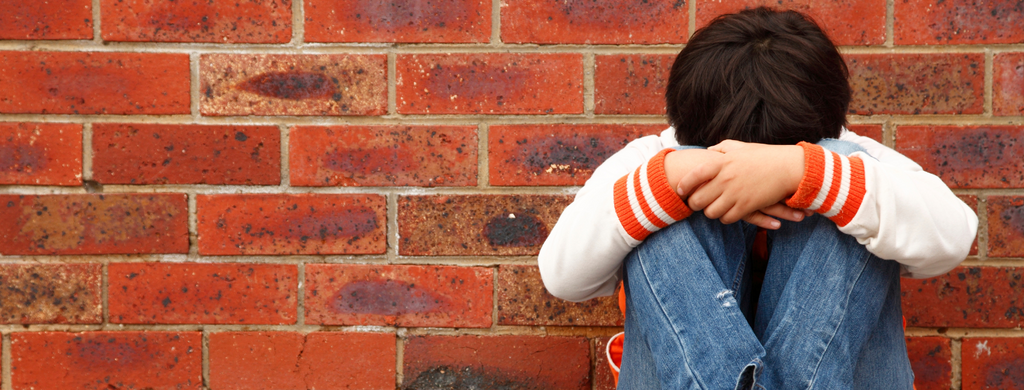
To mark the School Day of Non-Violence and Peace, which takes place on January 30, it is essential that we delve into the sensitive topic of school violence and understand how it impacts the mental health of our children. It is time to join forces to build a safe school environment and promote a lasting culture of peace.
Bullying has become one of the biggest challenges in school environments, a form of physical, verbal and/or psychological violence that affects millions of children around the world.
Mental Health Consequences
According to the Oswaldo Cruz Foundation (Fiocruz), bullying is directly associated with mental health problems, such as depression, anxiety, phobias and even social isolation. We cannot ignore the scars that these attacks can leave.
Disinterest in School and Drop in Performance
School violence not only harms psychological well-being, but also triggers disinterest and a decline in academic performance. Children who are victims of bullying may feel unprotected in the school environment, leading to serious educational problems.
The Role of the Aggressor and the Search for Solutions
It is crucial to understand that the bully also needs help. Bullying is often an expression of personal pain and problems, an attempt to deal with internal conflicts. Addressing the bully without considering these causes is ineffective. Let’s seek solutions that involve understanding and support for both parties.
Aggressor Motivations
Psychoanalyst Jorge Broide points out that bullying can be a way for the aggressor to alleviate his own pain, demonstrate power in society or reaffirm his position in groups. Often, aggression is a reflection of what the individual faces at home, including family problems, lack of emotional support and even abuse.
Building a Culture of Peace in Schools
Promoting a culture of peace in schools is a powerful tool to combat bullying and its consequences. Let’s embrace practices that strengthen bonds between students and transform schools into environments of respect and continuous learning.
Tips for Promoting a Culture of Peace
-
Solidarity Activities Throughout the Year: Campaigns such as food or clothing collections engage the school community in solidarity and empathy.
-
Collaborative Actions: Developing collaborative activities helps to cultivate skills and values, promoting respect for diversity and strengthening the sense of belonging.
-
Continuous Dialogue with Management: Creating immersion spaces for the school community to share experiences and solve problems is essential.
-
Support Networks and School Psychology: Implementing support networks and school psychology is crucial to offering support to victims and aggressors.
Educating for Peace is Investing in the Future
Peace education is a responsibility shared by all of us. Let us work together, school and family, to provide an environment where our little ones feel loved, respected and ready to learn.
Join us in building a more peaceful and healthy future for our children. Let’s celebrate School Non-Violence and Peace Day every day!